Koczka N, Stefanovits-Bányai É, Ombódi A. (2018). Total Polyphenol Content and Antioxidant Capacity of Rosehips of Some Rosa Species. Medicines (Basel). https://pubmed.ncbi.nlm.nih.gov/30081545/
Xu S, Shen X, Xu L, Xue L, Wu P, Wang S, Hu X. (2025). The effects of Rosa damascene aromatherapy on mood and sleep: a systematic review and meta-analysis. Frontiers in Public Health. https://pubmed.ncbi.nlm.nih.gov/41262694/
Maciel LG, et al. (2018). Hibiscus sabdariffa anthocyanins-rich extract: Chemical stability, in vitro antioxidant and antiproliferative activities. Food and Chemical Toxicology, 113, 187-197. https://pubmed.ncbi.nlm.nih.gov/29407472/
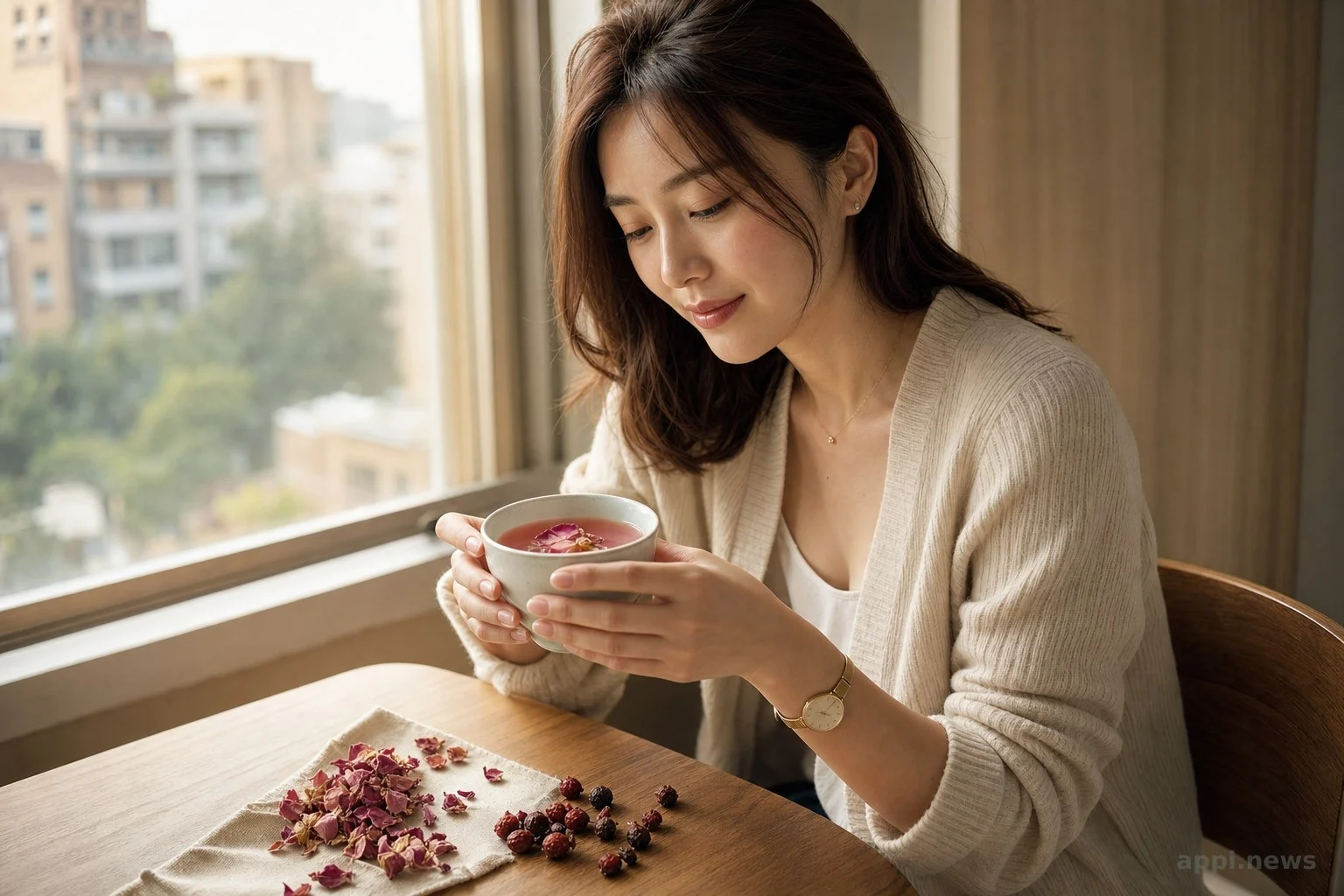
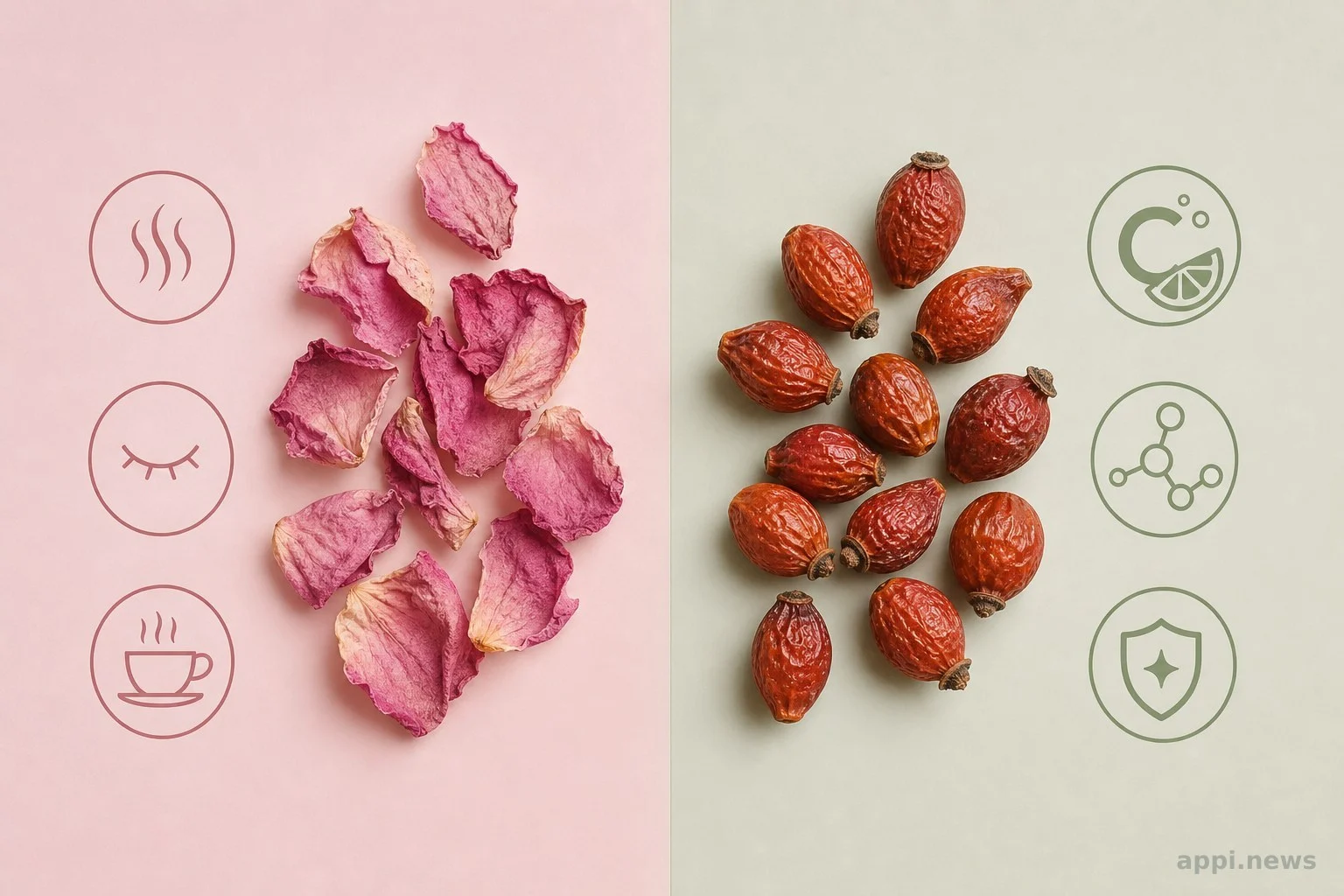
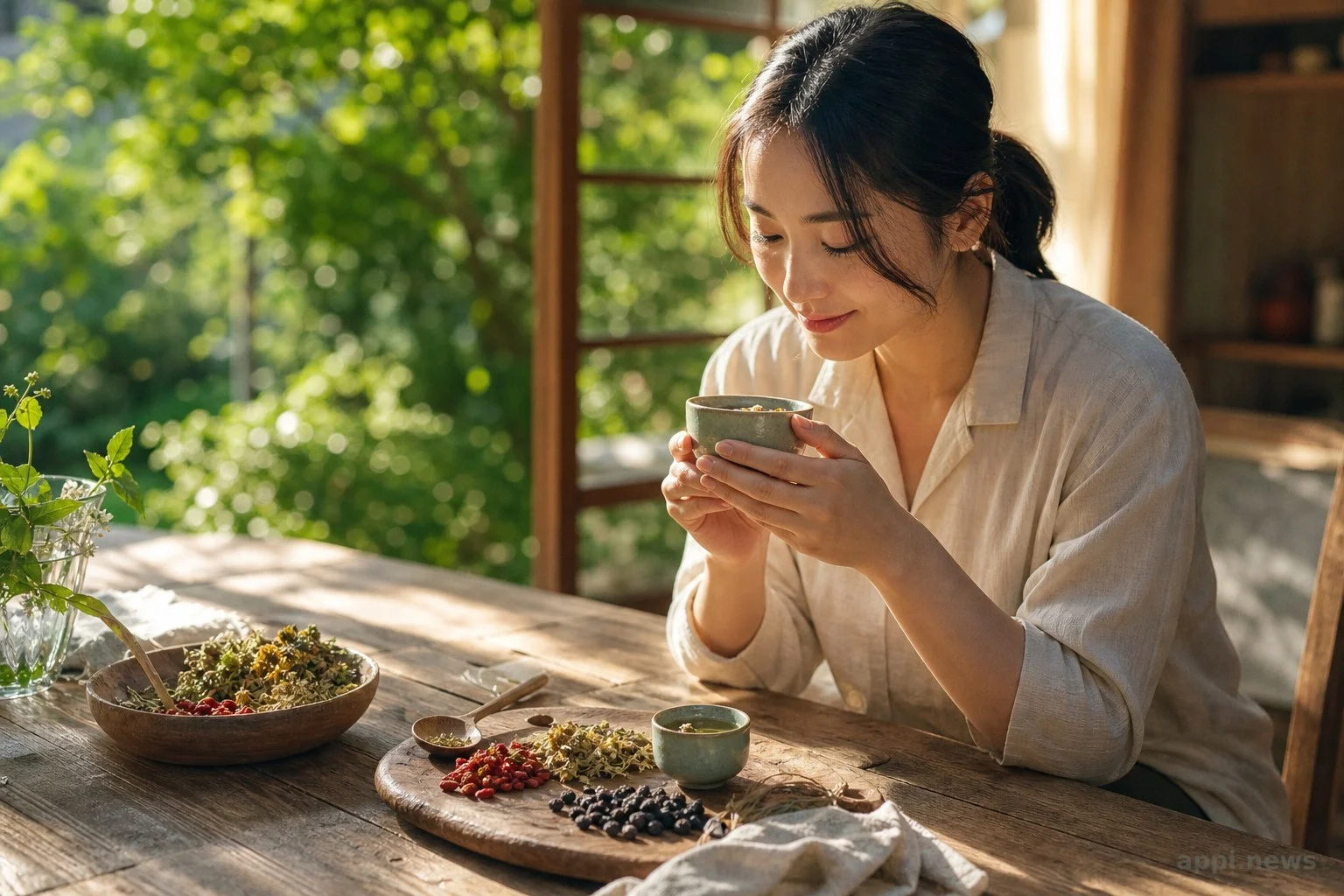
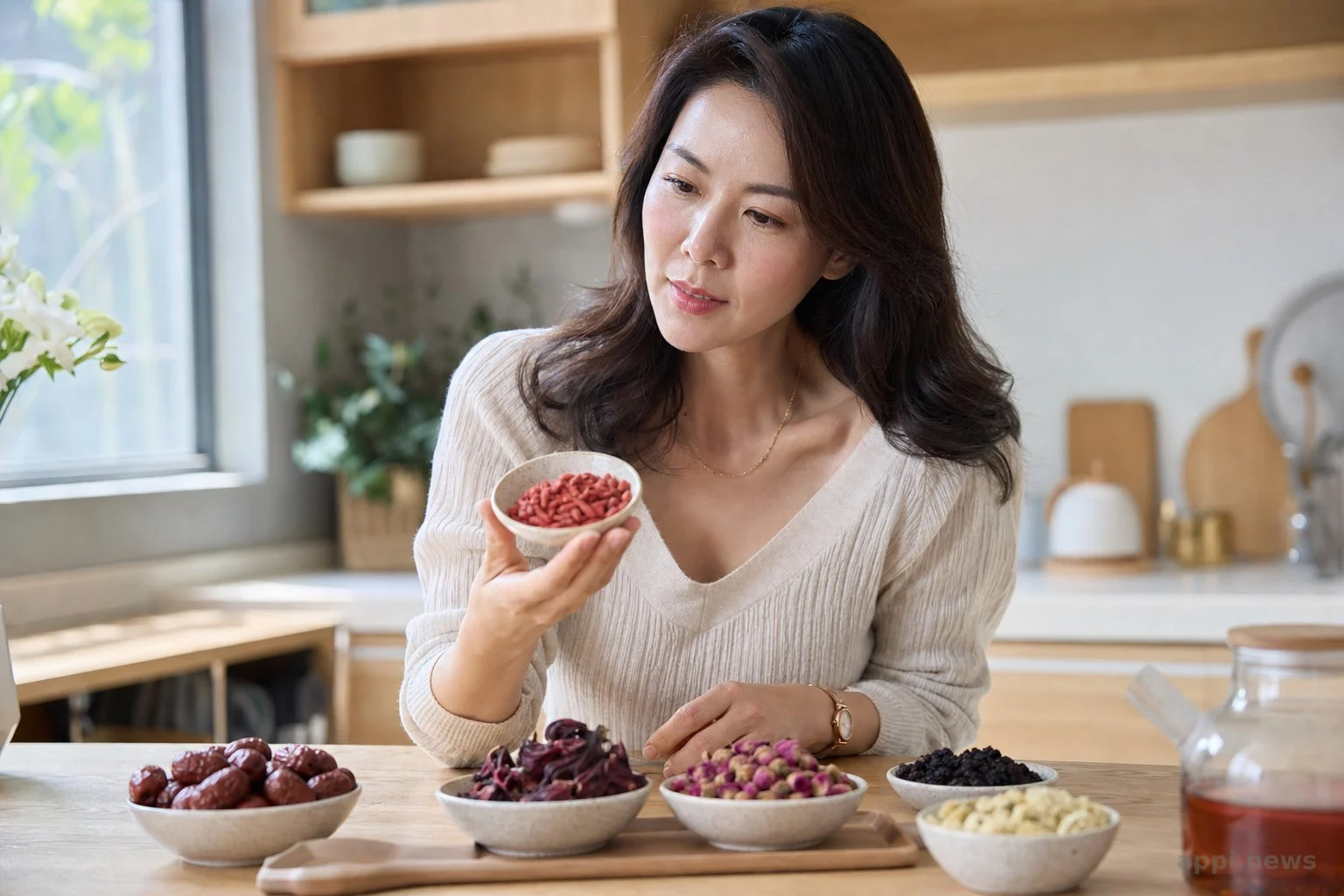
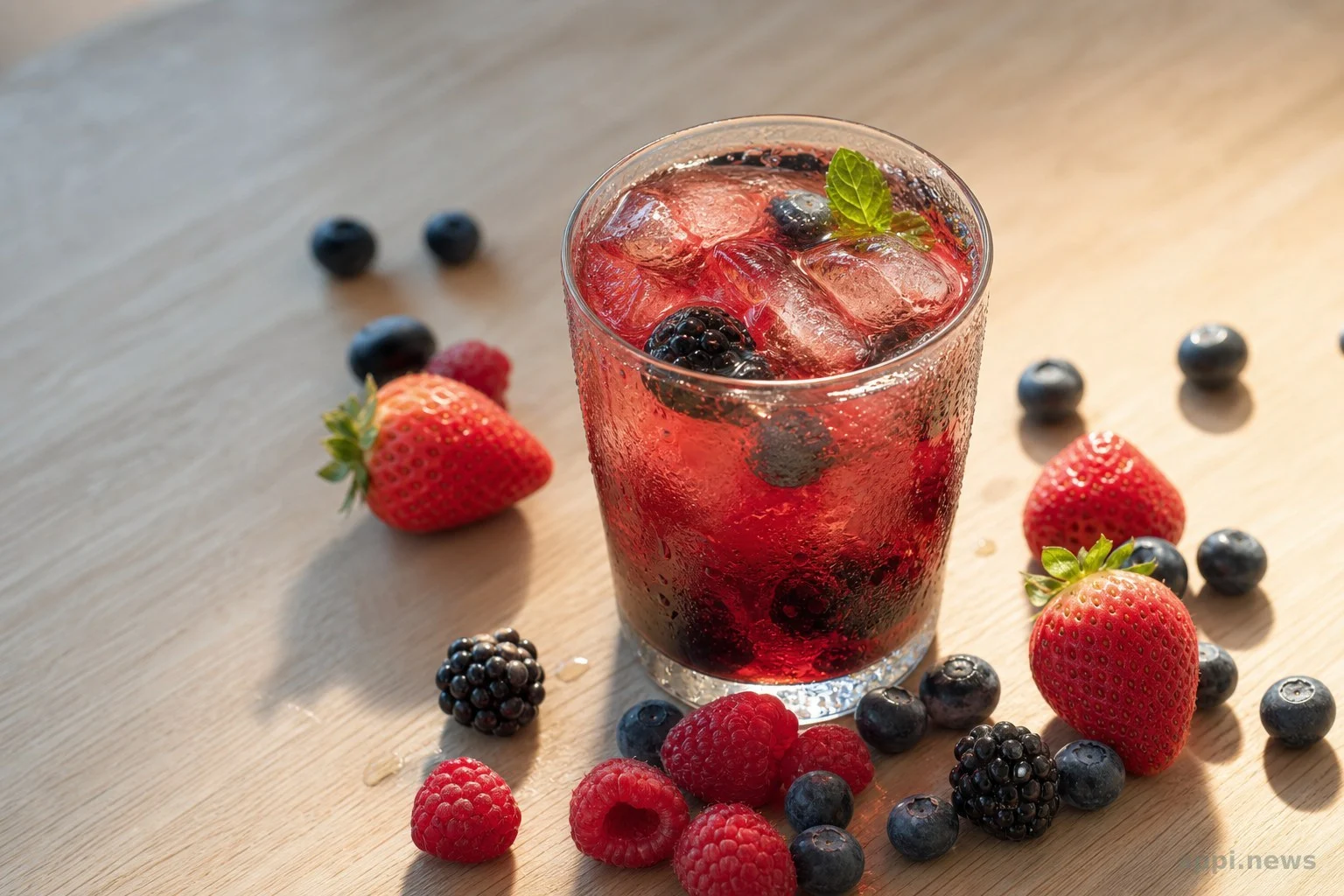
氣色暗沉、眼睛乾澀、熬夜後臉色蠟黃,這些狀態背後往往牽涉睡眠、水分、血液循環與身體氧化壓力等多重因素,很難用單一飲品解釋。美容茶裡常見的紅棗、枸杞、黑醋栗、玫瑰、洛神花、菊花,多數含有花青素或多酚類化合物,這類成分在研究裡被觀察到的方向,主要是協助身體對抗自由基造成的氧化壓力。有研究整理花青素對皮膚的保護機制,指出這類色素具備紫外線過濾能力,並能減弱皮膚細胞內活性氧的生成,屬於皮膚保養的支持性角色,而不是治療性的介入(Correia et al., 2021)。
也有研究把焦點放在眼睛疲勞。一項針對長時間使用電腦螢幕者的隨機雙盲對照試驗發現,連續六週攝取含花青素、蝦紅素與葉黃素的補充食品後,受試者在「對焦困難」與「近距離視物吃力」的自覺評分上出現改善(Kizawa et al., 2021)。
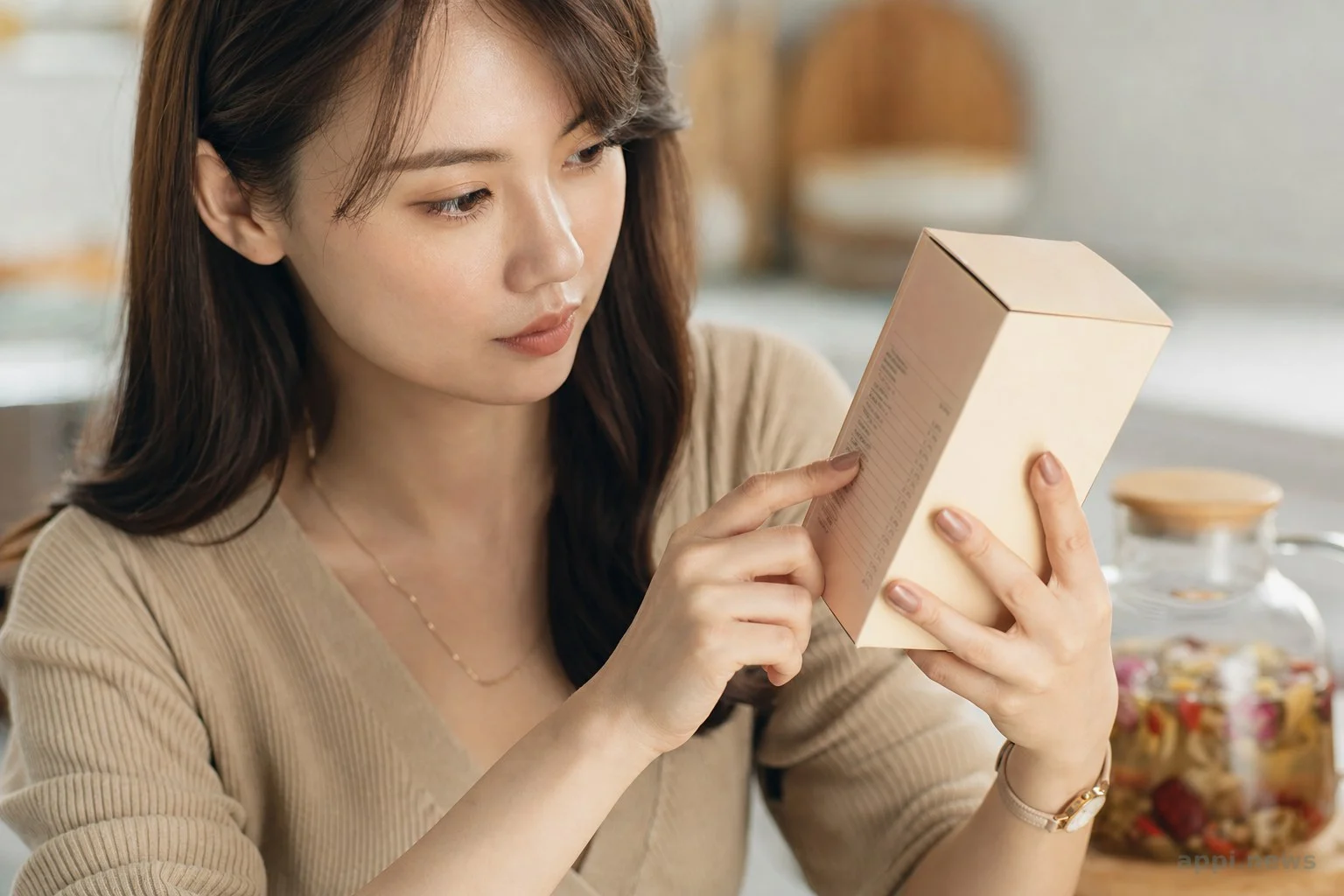
一項針對六百多位消費者的研究發現,消費者對健康宣稱的理解程度,受到自身營養知識、對品牌的信任程度、以及產品資訊呈現方式等因素影響,同一句宣稱在不同人眼中的解讀差異很大(Annunziata et al., 2014)。這也是為什麼美容茶文案特別容易操作模糊地帶:只要寫「富含抗氧化成分」,就算科學上站得住腳,但若延伸成「喝了皮膚會變白」「能治青春痘」「能降眼壓」「能補血」,就已經跨出食品能合法宣稱的範圍,涉及醫療效能的暗示。
Annunziata A, Mariani A, Vecchio R. (2014). Consumer understanding and use of health claims: the case of functional foods. Recent Patents on Food, Nutrition & Agriculture, 6(2), 113-126. https://pubmed.ncbi.nlm.nih.gov/25693912/
Correia P, et al. (2021). Anthocyanin-Related Pigments: Natural Allies for Skin Health Maintenance and Protection. Antioxidants (Basel), 10(7), 1038. https://pubmed.ncbi.nlm.nih.gov/34203482/
Kizawa Y, Sekikawa T, Kageyama M, et al. (2021). Effects of anthocyanin, astaxanthin, and lutein on eye functions: a randomized, double-blind, placebo-controlled study. Journal of Clinical Biochemistry and Nutrition, 69(1). https://pubmed.ncbi.nlm.nih.gov/34376917/
Bucheli P, Vidal K, Shen L, et al. (2011). Goji berry effects on macular characteristics and plasma antioxidant levels. Optometry and Vision Science, 88(2), 257-262. https://pubmed.ncbi.nlm.nih.gov/21169874/
Sadowska-Bartosz I, Bartosz G. (2024). Antioxidant Activity of Anthocyanins and Anthocyanidins: A Critical Review. International Journal of Molecular Sciences. https://pmc.ncbi.nlm.nih.gov/articles/PMC11593439/
Stote KS, Burns G, Mears K, Sweeney M, Blanton C. (2023). The Effect of Berry Consumption on Oxidative Stress Biomarkers: A Systematic Review of Randomized Controlled Trials in Humans. Antioxidants (Basel). https://pubmed.ncbi.nlm.nih.gov/37507981/
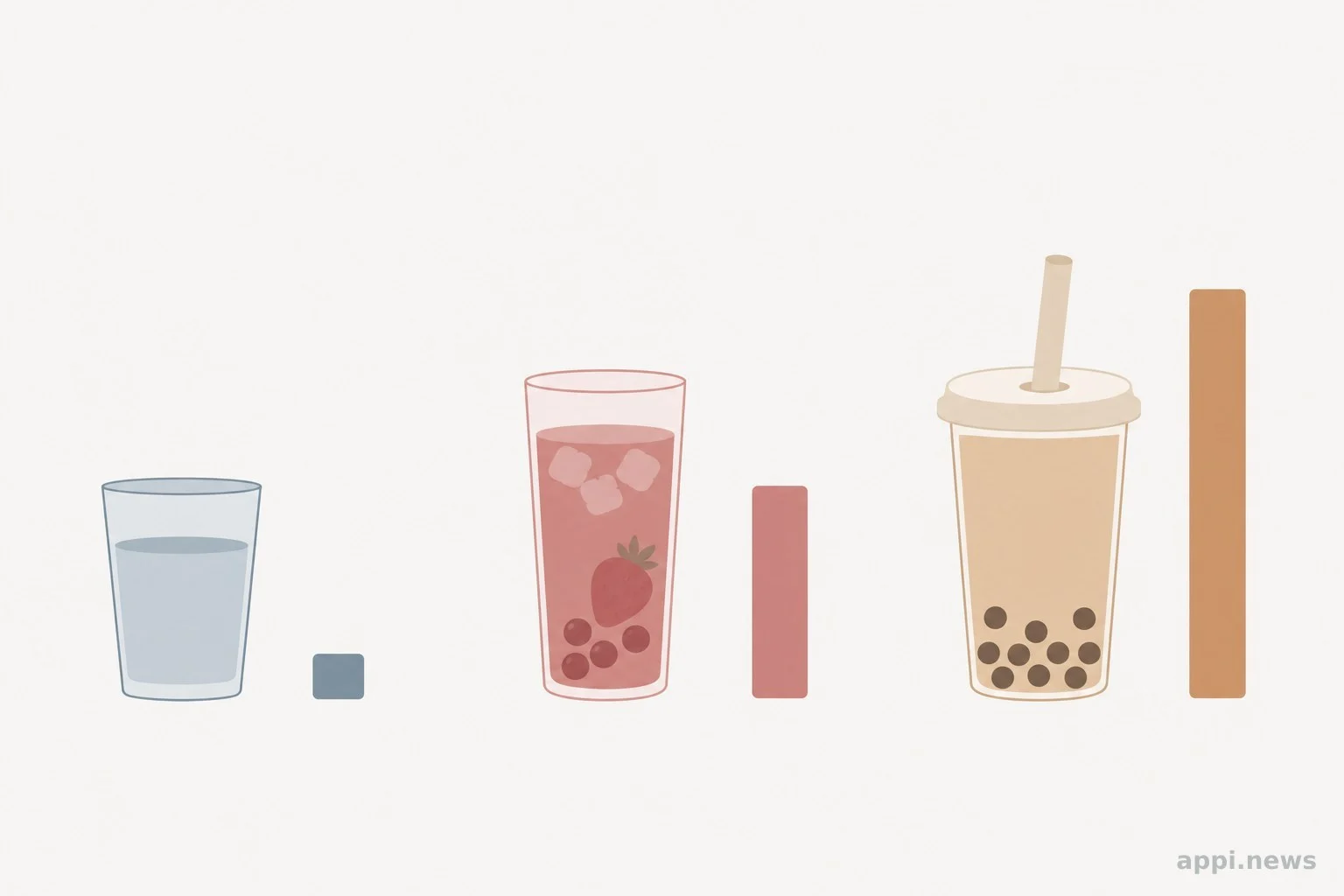
Vargas-Garcia EJ, et al. (2017). Interventions to reduce consumption of sugar-sweetened beverages or increase water intake: evidence from a systematic review and meta-analysis. Obesity Reviews. https://pubmed.ncbi.nlm.nih.gov/28721697/