Roccato A, et al. (2017). Analysis of domestic refrigerator temperatures and home storage time distributions for shelf-life studies and food safety risk assessment. Food Research International, 96, 171–181. https://pubmed.ncbi.nlm.nih.gov/28528096/
Young I, et al. (2015). A systematic review and meta-analysis of the effectiveness of food safety education interventions for consumers in developed countries. BMC Public Health, 15, 822. https://pubmed.ncbi.nlm.nih.gov/26307055/
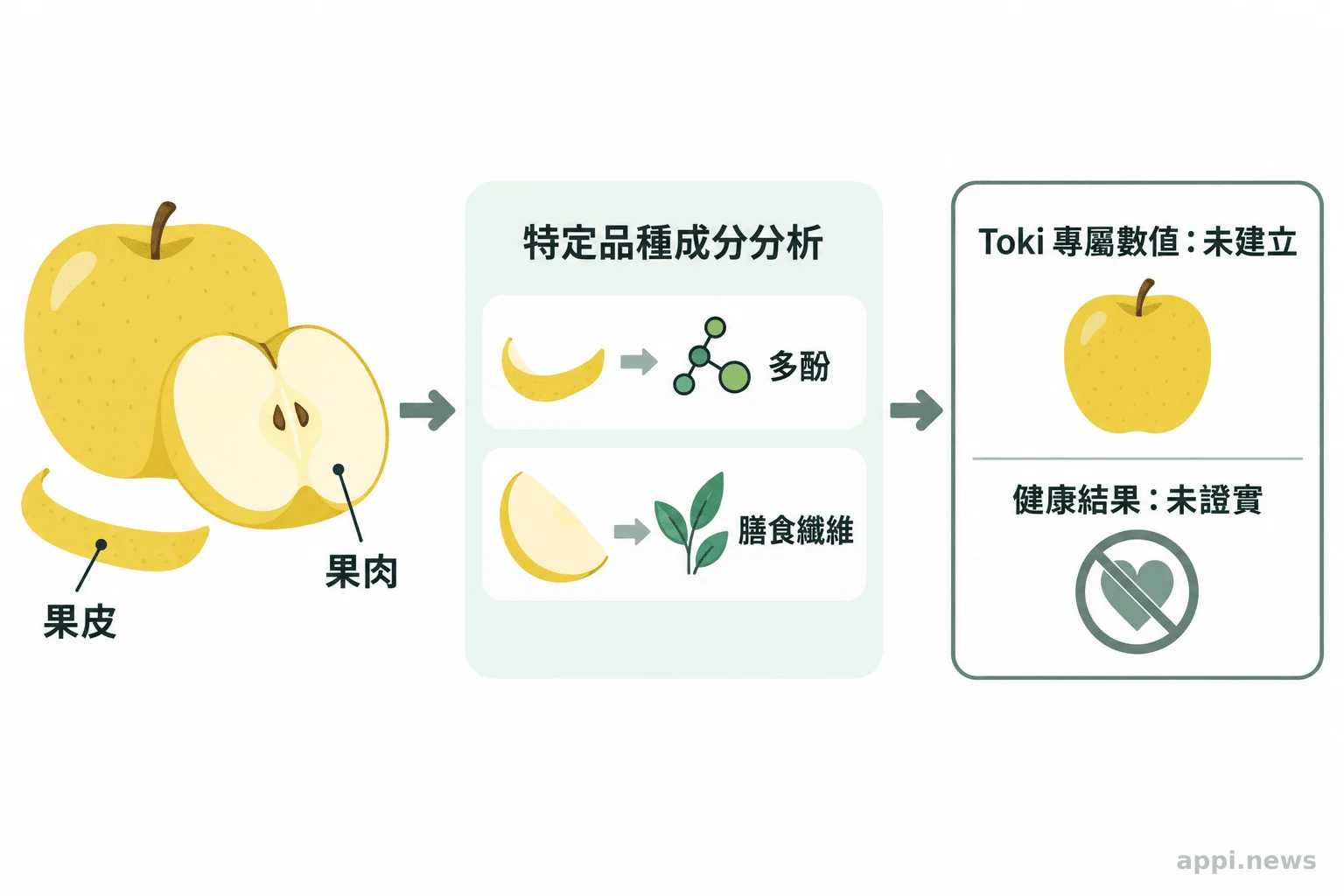
Zielińska D, et al. (2020). Electroactive Phenolic Contributors and Antioxidant Capacity of Flesh and Peel of 11 Apple Cultivars Measured by Cyclic Voltammetry and HPLC-DAD-MS/MS. Antioxidants, 9(11), 1054. https://pubmed.ncbi.nlm.nih.gov/33126563/
Kaeswurm JAH, et al. (2022). Bioaccessibility of Apple Polyphenols from Peel and Flesh during Oral Digestion. Journal of Agricultural and Food Chemistry, 70(14), 4407–4417. https://pubmed.ncbi.nlm.nih.gov/35357186/
Wickramage K. (2019). Airport Entry and Exit Screening during the Ebola Virus Disease Outbreak in Sierra Leone, 2014 to 2016. BioMed Research International, 2019, 3832790. https://pubmed.ncbi.nlm.nih.gov/31915689/