Gardiner C, Weakley J, Burke LM, et al. (2023). The effect of caffeine on subsequent sleep: A systematic review and meta-analysis. Sleep Medicine Reviews, 69, 101764. https://pubmed.ncbi.nlm.nih.gov/36870101/
Lillehei AS, Halcón LL, Savik K, Reis R. (2015). Effect of Inhaled Lavender and Sleep Hygiene on Self-Reported Sleep Issues: A Randomized Controlled Trial. Journal of Alternative and Complementary Medicine, 21(7). https://pubmed.ncbi.nlm.nih.gov/26133206/
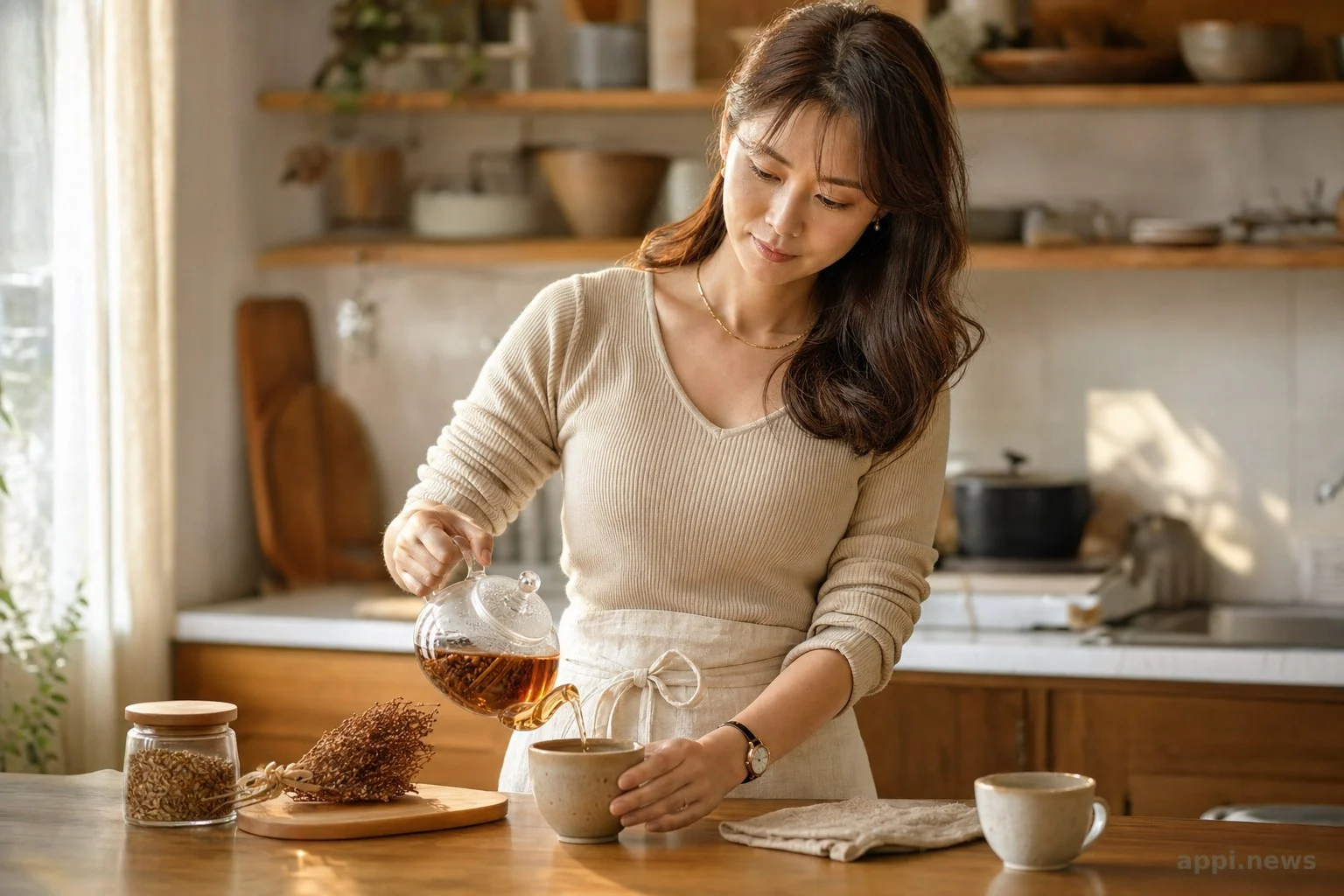
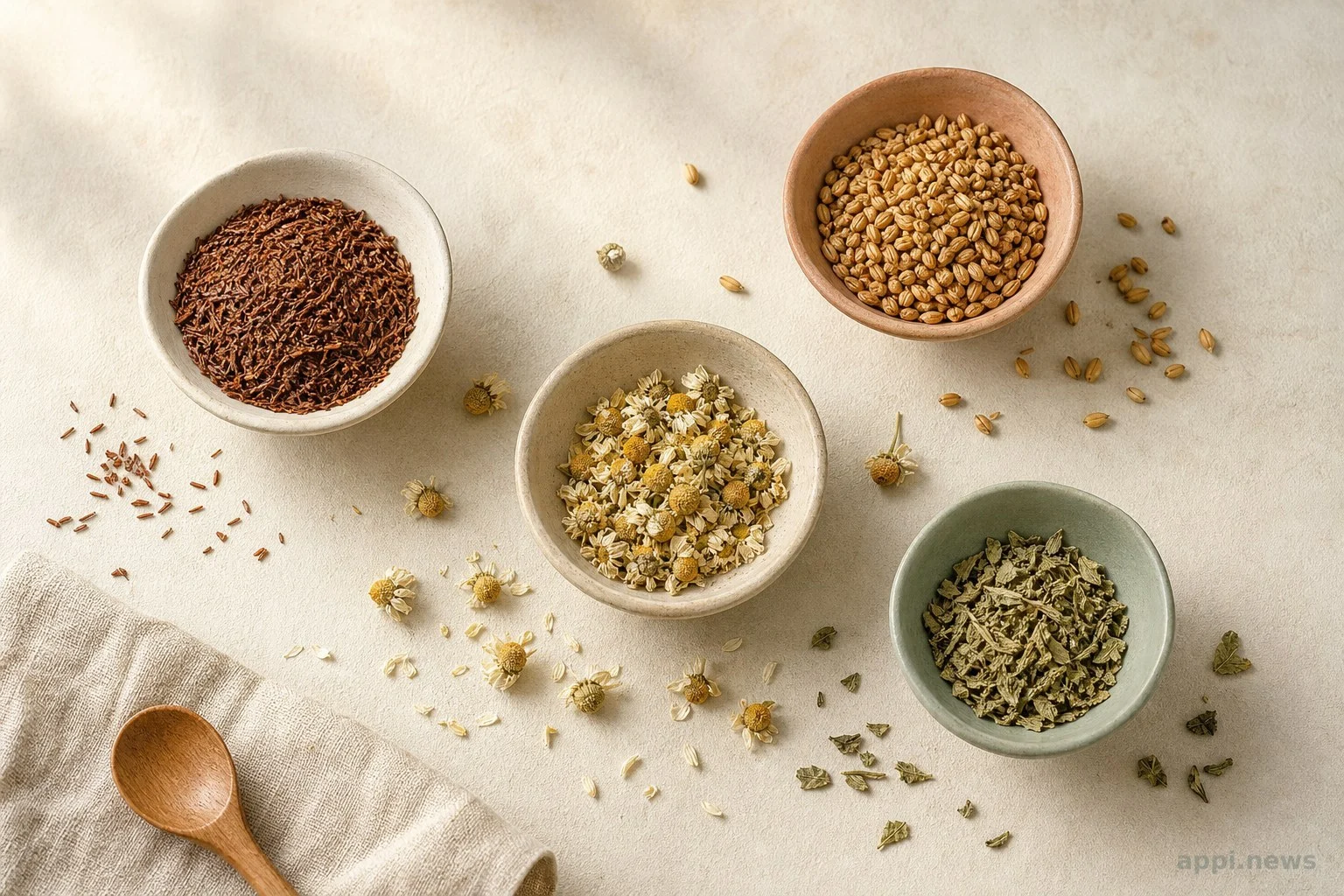
咖啡因會讓血管收縮、也可能干擾睡眠品質,這兩件事剛好都跟經前症候群(PMS)常見的腫脹、失眠、情緒起伏沾得上邊,所以「經期少喝咖啡因」長期以來被當成一種常識性建議。但把研究攤開來看,答案沒有想像中一致。一項針對護理師健康研究(Nurses’ Health Study II)超過三千六百人的前瞻性研究發現,咖啡因攝取量與 PMS 的發生並沒有明顯關聯,研究者甚至指出,要求女性減少咖啡因來預防 PMS,證據其實並不充分(註1)。另一方面,也有研究觀察到偏高攝取量(例如一天八到十杯咖啡因飲品)與症狀嚴重度之間存在劑量相關的趨勢。
Purdue-Smithe AC, Manson JE, Hankinson SE, Bertone-Johnson ER. (2016). A prospective study of caffeine and coffee intake and premenstrual syndrome. American Journal of Clinical Nutrition, 104(2), 499-507. https://pubmed.ncbi.nlm.nih.gov/27385613/
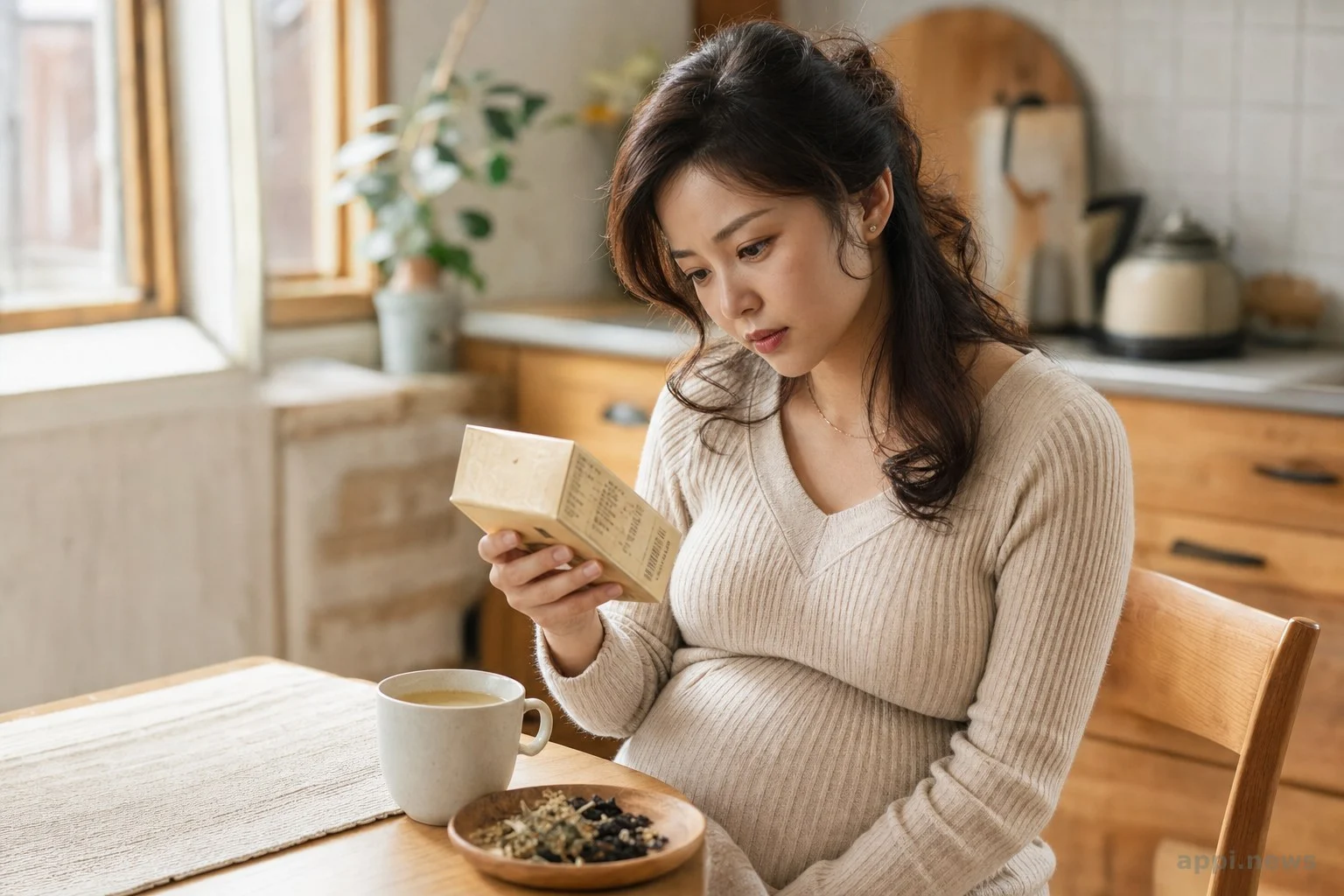
Peacock A, et al. (2018). Adherence to the Caffeine Intake Guideline during Pregnancy and Birth Outcomes: A Prospective Cohort Study. Nutrients, 10(3), 319. https://pmc.ncbi.nlm.nih.gov/articles/PMC5872737/
Minehan MR, Riley MD, Burke LM. (2002). Effect of flavor and awareness of kilojoule content of drinks on preference and fluid balance in team sports. International Journal of Sport Nutrition and Exercise Metabolism, 12(1), 81-92. https://pubmed.ncbi.nlm.nih.gov/11993625/
Zheng M, Allman-Farinelli M, Heitmann BL, Rangan A. (2015). Substitution of sugar-sweetened beverages with other beverage alternatives: a review of long-term health outcomes. Journal of the Academy of Nutrition and Dietetics, 115(5), 767-779. https://pubmed.ncbi.nlm.nih.gov/25746935/
Ahmed OM, AbouZid SF, Ahmed NA, Zaky MY, Liu H. (2021). An Up-to-Date Review on Citrus Flavonoids: Chemistry and Benefits in Health and Diseases. Current Pharmaceutical Design, 27(4), 513-530. https://pubmed.ncbi.nlm.nih.gov/33245267/