Leung AKC, Lam JM, Wong AHC, Hon KL, Li X. (2024). Iron Deficiency Anemia: An Updated Review. Current Pediatric Reviews, 20(3), 339-356. https://pubmed.ncbi.nlm.nih.gov/37497686/
Sundelin T, Lekander M, Kecklund G, Van Someren EJW, Olsson A, Axelsson J. (2013). Cues of fatigue: effects of sleep deprivation on facial appearance. Sleep, 36(9), 1355-1360. https://pubmed.ncbi.nlm.nih.gov/23997369/
Pujos M, Chamayou-Robert C, Parat M, Bonnet M, Couret S, Robiolo A, Doucet O. (2024). Impact of Chronic Moderate Psychological Stress on Skin Aging: Exploratory Clinical Study and Cellular Functioning. Journal of Cosmetic Dermatology. https://pmc.ncbi.nlm.nih.gov/articles/PMC11743297/
Palma L, Marques LT, Bujan J, Rodrigues LM. (2015). Dietary water affects human skin hydration and biomechanics. Clinical, Cosmetic and Investigational Dermatology, 8, 413-421. https://pubmed.ncbi.nlm.nih.gov/26345226/
李時珍.《本草綱目》.(傳統醫學典籍,文中引用屬觀念詮釋,非現代療效證明)
Pezdirc K, Hutchesson MJ, Whitehead R, Ozakinci G, Perrett D, Collins CE. (2015). Fruit, Vegetable and Dietary Carotenoid Intakes Explain Variation in Skin-Color in Young Caucasian Women: A Cross-Sectional Study. Nutrients, 7(7), 5800-5815. https://pmc.ncbi.nlm.nih.gov/articles/PMC4517028/
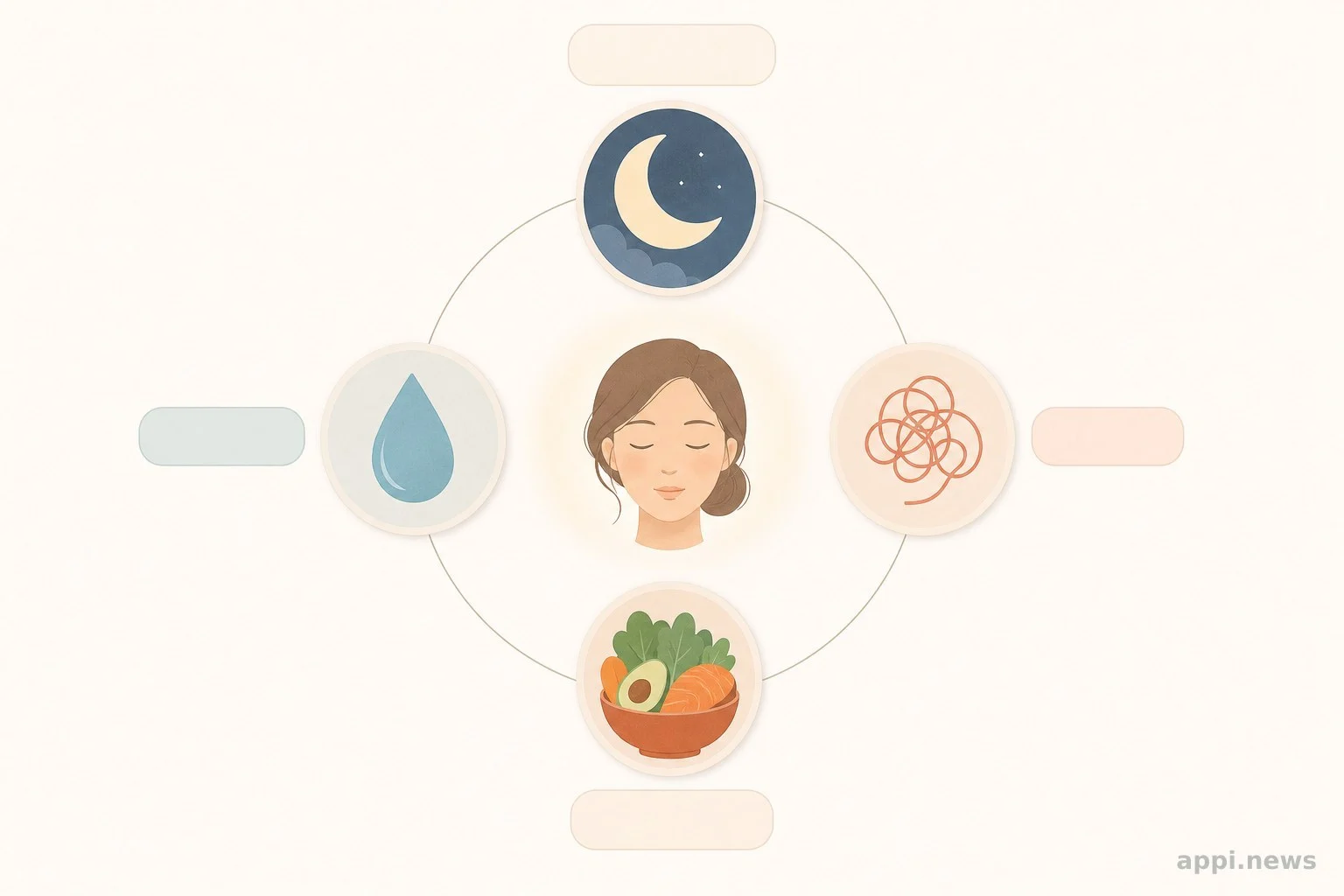
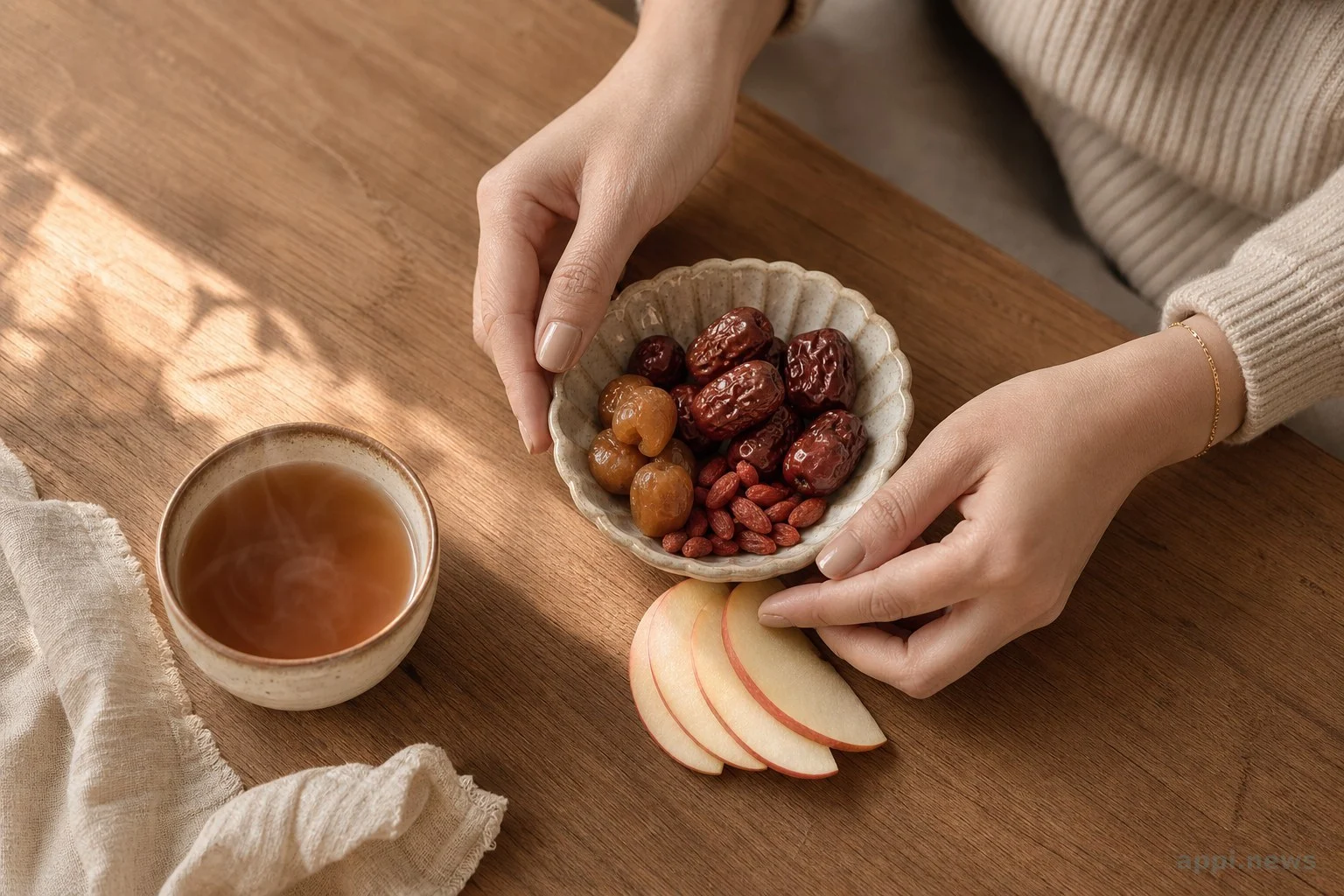
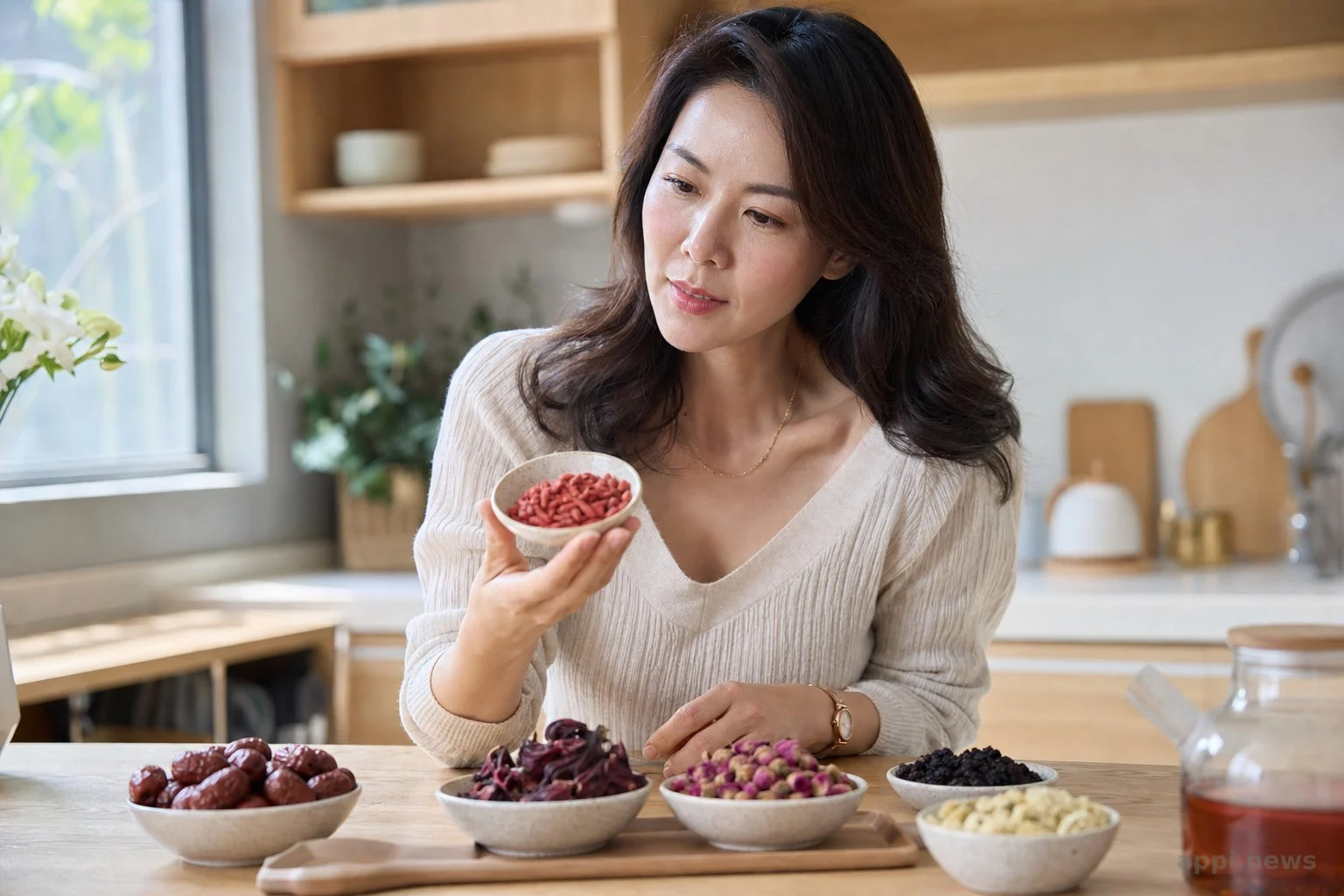
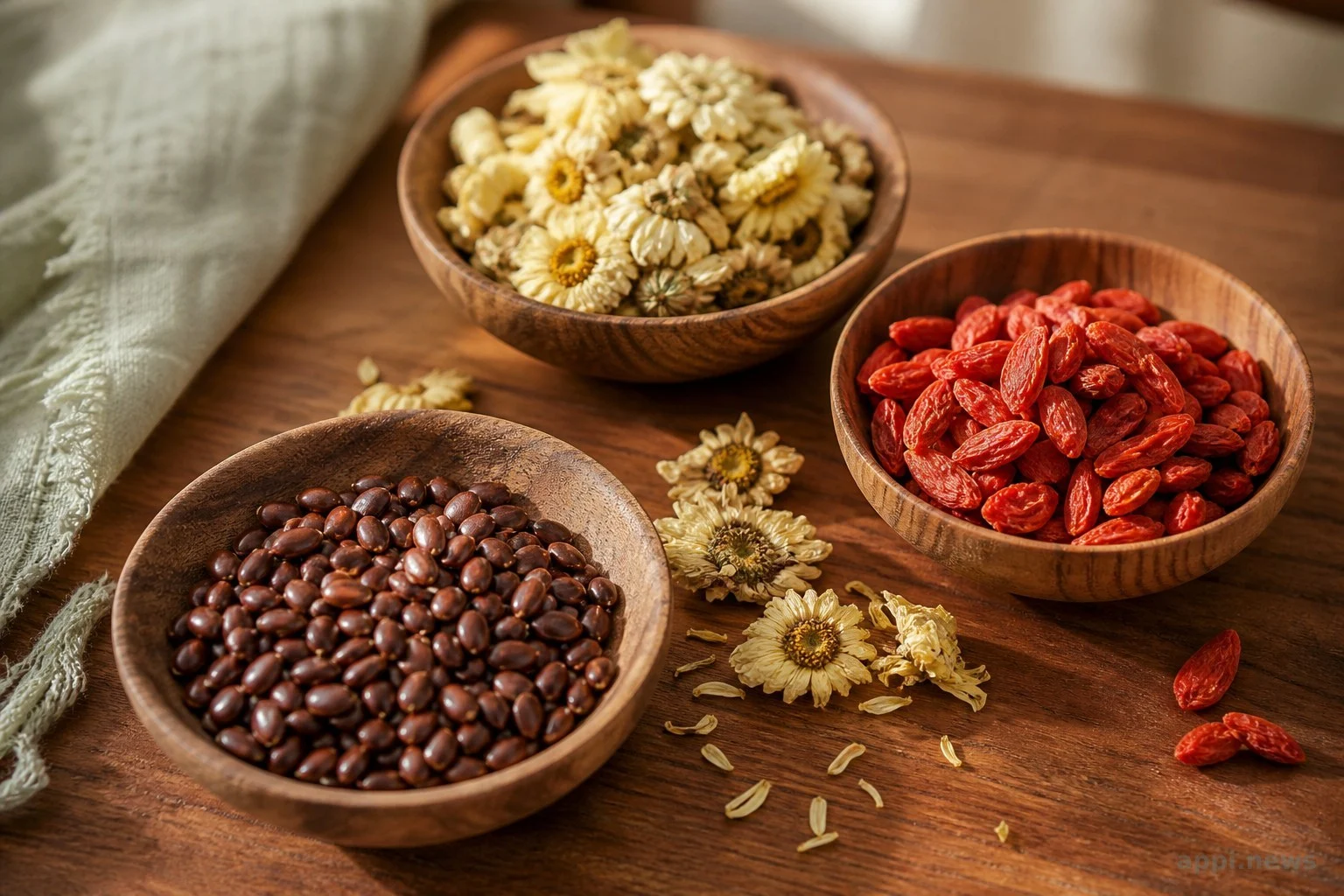
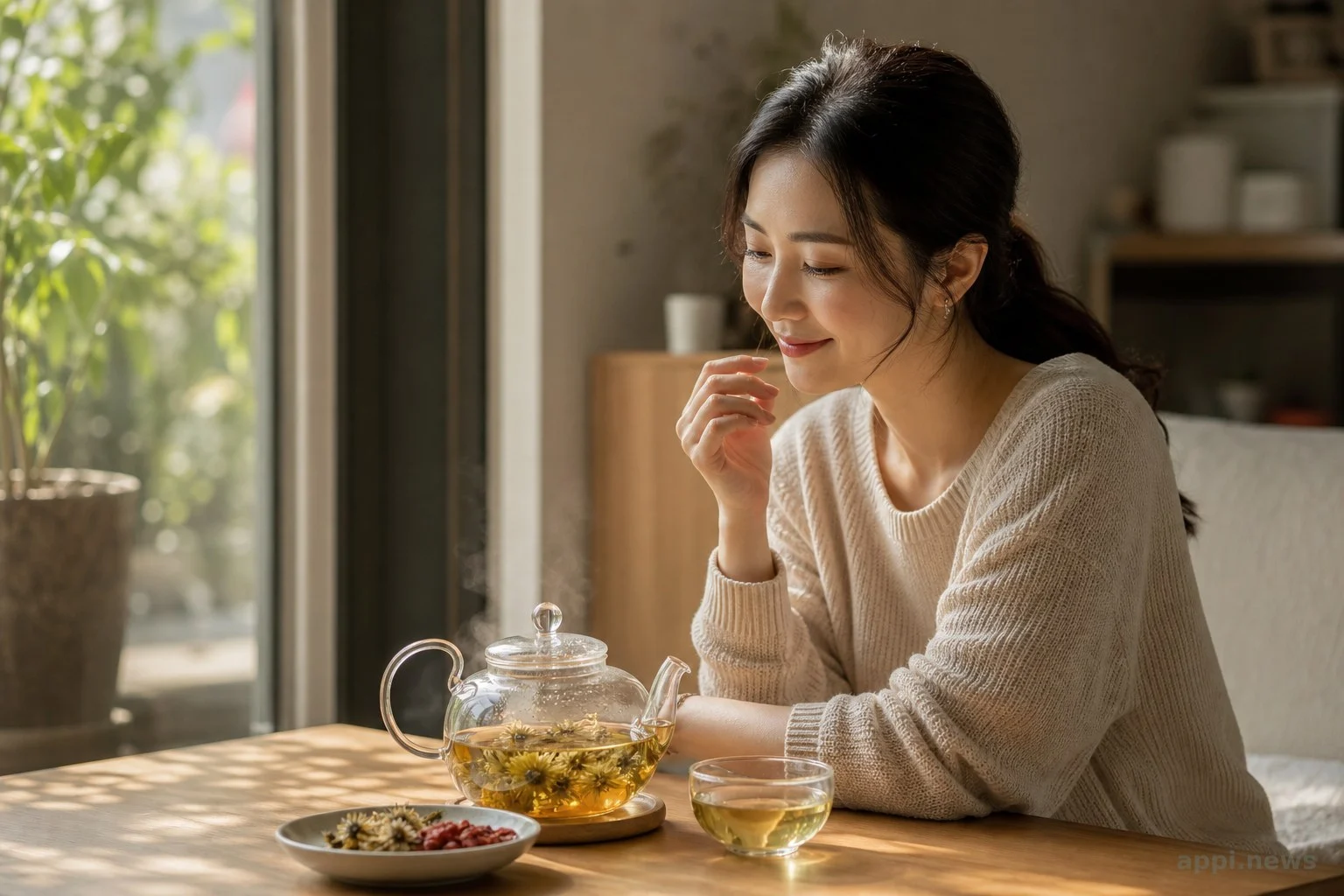
氣色暗沉、眼睛乾澀、熬夜後臉色蠟黃,這些狀態背後往往牽涉睡眠、水分、血液循環與身體氧化壓力等多重因素,很難用單一飲品解釋。美容茶裡常見的紅棗、枸杞、黑醋栗、玫瑰、洛神花、菊花,多數含有花青素或多酚類化合物,這類成分在研究裡被觀察到的方向,主要是協助身體對抗自由基造成的氧化壓力。有研究整理花青素對皮膚的保護機制,指出這類色素具備紫外線過濾能力,並能減弱皮膚細胞內活性氧的生成,屬於皮膚保養的支持性角色,而不是治療性的介入(Correia et al., 2021)。
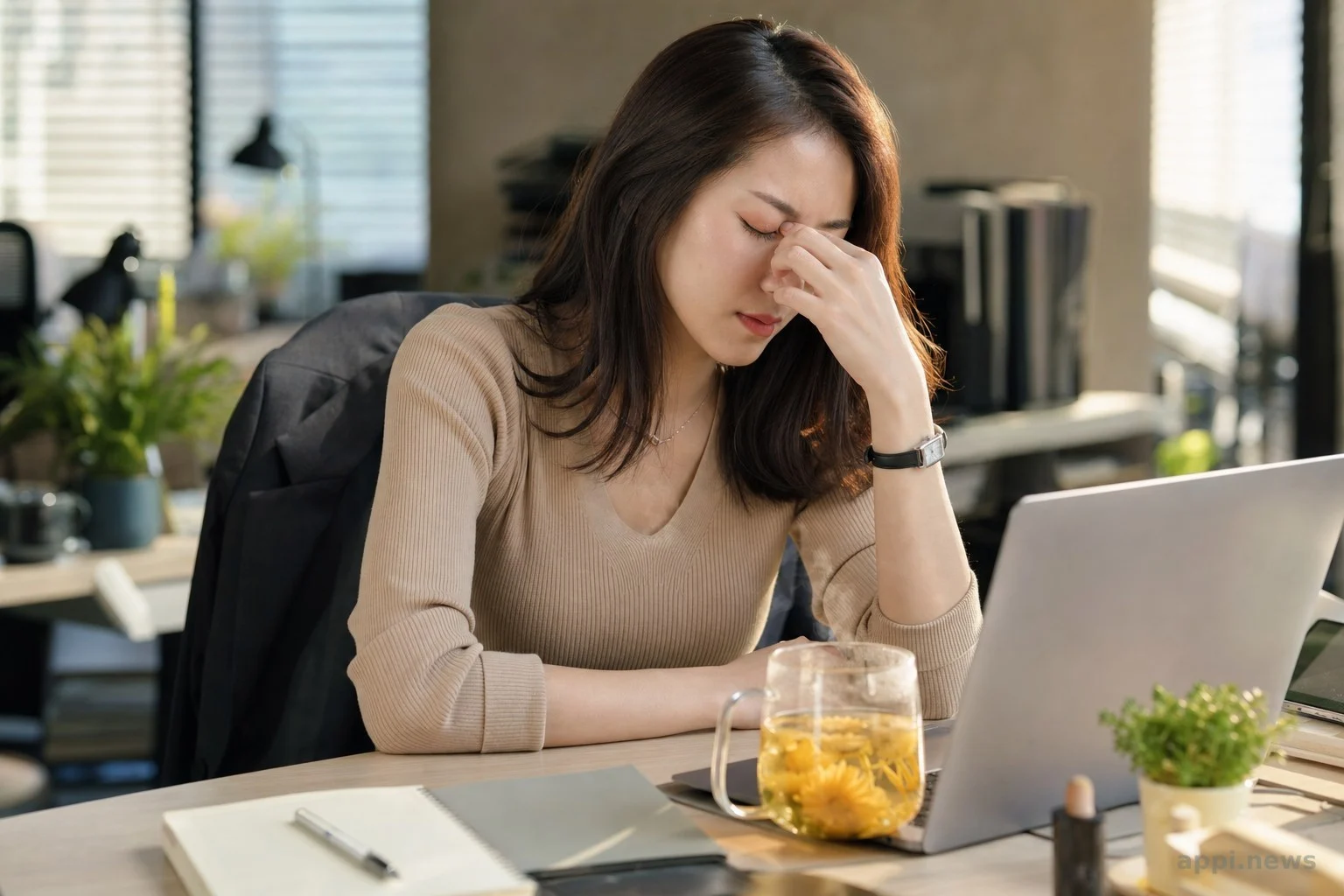
也有研究把焦點放在眼睛疲勞。一項針對長時間使用電腦螢幕者的隨機雙盲對照試驗發現,連續六週攝取含花青素、蝦紅素與葉黃素的補充食品後,受試者在「對焦困難」與「近距離視物吃力」的自覺評分上出現改善(Kizawa et al., 2021)。
一項針對六百多位消費者的研究發現,消費者對健康宣稱的理解程度,受到自身營養知識、對品牌的信任程度、以及產品資訊呈現方式等因素影響,同一句宣稱在不同人眼中的解讀差異很大(Annunziata et al., 2014)。這也是為什麼美容茶文案特別容易操作模糊地帶:只要寫「富含抗氧化成分」,就算科學上站得住腳,但若延伸成「喝了皮膚會變白」「能治青春痘」「能降眼壓」「能補血」,就已經跨出食品能合法宣稱的範圍,涉及醫療效能的暗示。
Annunziata A, Mariani A, Vecchio R. (2014). Consumer understanding and use of health claims: the case of functional foods. Recent Patents on Food, Nutrition & Agriculture, 6(2), 113-126. https://pubmed.ncbi.nlm.nih.gov/25693912/
Correia P, et al. (2021). Anthocyanin-Related Pigments: Natural Allies for Skin Health Maintenance and Protection. Antioxidants (Basel), 10(7), 1038. https://pubmed.ncbi.nlm.nih.gov/34203482/
Kizawa Y, Sekikawa T, Kageyama M, et al. (2021). Effects of anthocyanin, astaxanthin, and lutein on eye functions: a randomized, double-blind, placebo-controlled study. Journal of Clinical Biochemistry and Nutrition, 69(1). https://pubmed.ncbi.nlm.nih.gov/34376917/
Bucheli P, Vidal K, Shen L, et al. (2011). Goji berry effects on macular characteristics and plasma antioxidant levels. Optometry and Vision Science, 88(2), 257-262. https://pubmed.ncbi.nlm.nih.gov/21169874/
現代研究則從另一個角度切入。2023 年一篇發表於《Journal of Ethnopharmacology》的決明子(Cassiae Semen)系統性回顧指出,這味藥材長期被用於「改善視力」等傳統用途,但研究團隊也明確指出,決明子中萘吡喃酮類與多醣體成分對眼部疾病的作用機制,仍是「有待未來研究補強」的空白(Chen et al., 2023)。傳統用途早有記載,機轉研究則才剛起步。
菊花這邊則有動物實驗提供一些線索。一項發表於《BMC Complementary Medicine and Therapies》的研究,用菊花水萃取物餵食小鼠後,觀察光損傷導致的視網膜氧化壓力,結果發現萃取物能降低活性氧生成、提升體內抗氧化酶活性,也減少了視網膜細胞的發炎與凋亡反應(Gong et al., 2022)。
Chen Y, Chen X, Yang X, et al. (2023). Cassiae Semen: A comprehensive review of botany, traditional use, phytochemistry, pharmacology, toxicity, and quality control. Journal of Ethnopharmacology. https://pubmed.ncbi.nlm.nih.gov/36702448/
Gong Y, Wang X, Wang Y, et al. (2022). The effect of a chrysanthemum water extract in protecting the retina of mice from light damage. BMC Complementary Medicine and Therapies. https://pubmed.ncbi.nlm.nih.gov/36028853/
Li X, Holt RR, Keen CL, Morse LS, Yiu G, Hackman RM. (2021). Goji Berry Intake Increases Macular Pigment Optical Density in Healthy Adults: A Randomized Pilot Trial. Nutrients, 13(12), 4409. https://pmc.ncbi.nlm.nih.gov/articles/PMC8708314/
Talens-Estarelles C, Cerviño A, García-Lázaro S, et al. (2023). The effects of breaks on digital eye strain, dry eye and binocular vision: Testing the 20-20-20 rule. Contact Lens and Anterior Eye. https://pubmed.ncbi.nlm.nih.gov/35963776/